Certified OSHA Training
Electrical System Data Gathering for Power System Studies
- OSHA-Authorized
- DOL-Aligned
$
$75.00$
What You’ll Learn?
Updated:
Electrical System Data Gathering for Power System Studies
\
What You’ll Learn?
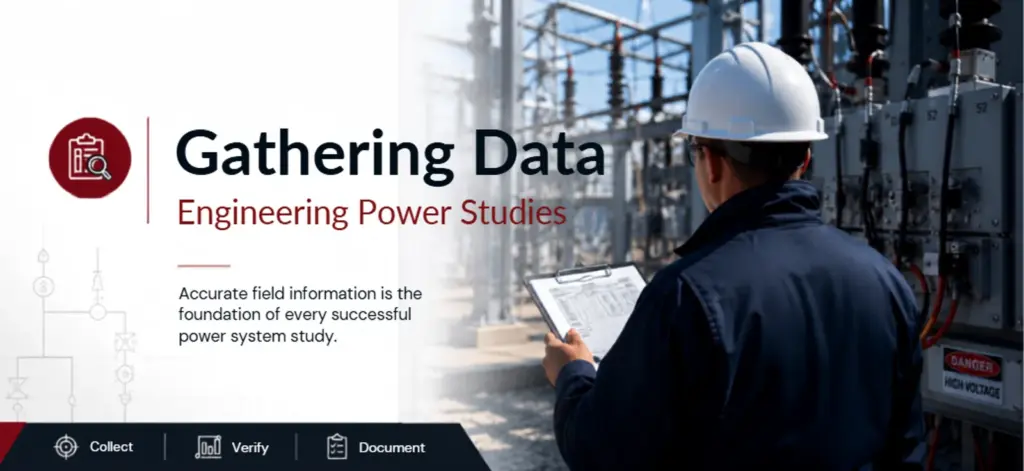
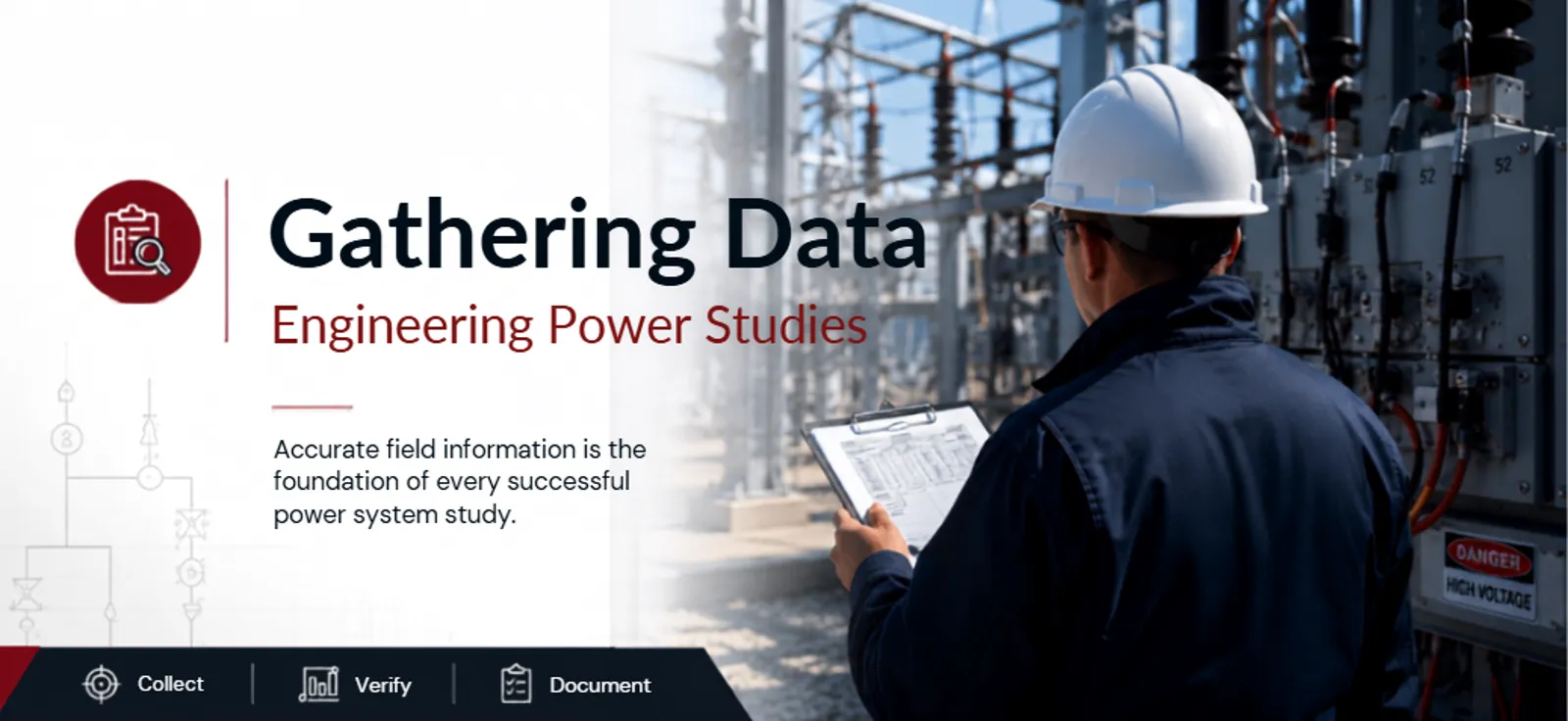
Accurate electrical studies begin with accurate field data. This in-person or virtual course teaches electricians, engineers, technicians, and facility personnel how to safely identify, document, and organize the information required to perform short-circuit, coordination, and arc flash studies. Participants will learn practical data gathering techniques that improve study accuracy while reducing time spent in the field.
Course Objectives
Upon completion, participants will understand how to efficiently collect accurate electrical system information required for engineering studies while minimizing field time and improving overall study quality.
What Will I Learn?
Upon successful completion of this course, you will be able to:
- Describe the purpose of electrical system studies and explain why accurate field data is critical to study accuracy.
- Identify the electrical system information required to perform short-circuit studies.
- Identify the electrical system information required to perform protective device coordination studies.
- Identify the electrical system information required to perform arc flash risk assessments.
- Interpret electrical one-line diagrams to determine equipment locations and system configuration.
- Locate required nameplate and equipment information within an electrical distribution system.
- Differentiate between critical and supplemental data required for various electrical system studies.
- Collect utility, transformer, switchgear, protective device, conductor, and load information using accepted industry practices.
- Document collected field data using standardized methods that support engineering analysis.
- Verify collected information for completeness, consistency, and accuracy before leaving the job site.
- Recognize common data collection errors and implement techniques to minimize omissions and reduce repeat site visits.
- Organize collected information into a format suitable for short-circuit, coordination, and arc flash studies.
Who Should Take This Course?
This course is ideal for:
- Electrical Engineers
- Consulting Engineers
- Power System Engineers
- Field Service Engineers
- Electrical Technicians
- Industrial Electricians
- Maintenance Electricians
- Plant Maintenance Personnel
- Reliability Engineers
- Commissioning Engineers
- Electrical Contractors
- Engineering Students
- Utility Personnel
- Safety Professionals
- Anyone responsible for supporting electrical system studies
Recommended Prerequisites
Although no prerequisites are required, participants will benefit from basic knowledge of:
- Electrical power systems
- Three-phase power
- Electrical equipment
- Reading electrical drawings
- Basic electrical safety
Skills You'll Gain
- Electrical Data Collection
- Field Documentation
- Electrical System Surveying
- One-Line Diagram Interpretation
- Transformer Identification
- Protective Device Documentation
- Utility Coordination
- Arc Flash Data Collection
- Short Circuit Study Preparation
- Coordination Study Preparation
- Electrical Equipment Identification
- Electrical Nameplate Documentation
- Power Distribution Systems
- Industrial Electrical Systems
Why This Course Matters
Electrical engineering studies are only as accurate as the data collected in the field. Missing or incorrect information can lead to inaccurate arc flash labels, improper protective device settings, costly return visits, project delays, and increased safety risks. This course provides practical methods used by experienced field engineers to collect accurate information the first time.
Frequently Asked Questions
Why is field data important for an arc flash study?
Arc flash calculations rely on accurate equipment ratings, protective device settings, conductor information, and utility fault current data. Missing information can significantly affect study results.
What information is needed for a coordination study?
Protective device manufacturer, catalog number, trip unit, settings, fuse type, conductor sizes, transformer information, motor data, and system configuration.
What information is required for a short-circuit study?
Utility fault current, transformer impedance, conductor sizes and lengths, equipment ratings, motor contributions, and electrical distribution configuration.
Do I need engineering experience?
No. Anyone involved in collecting electrical equipment information can benefit from this course.
Curriculum
Certificate of Completion
Meet Your Instructor
Lead HSE Instructor

The Training Institute is a team of seasoned field experts with decades of hands-on experience across electrical safety, OSHA compliance, confined-space training, and hazardous-materials response. Our instructors combine practical jobsite expertise with proven adult-learning methodology to deliver training that meets — and exceeds — federal and industry standards.
Student Review
(
0 Review)
Similar Courses
by
The Training Institute
by
The Training Institute
by
The Training Institute
Ready to get certified?
Enroll in Electrical System Data Gathering for Power System Studies
Volume pricing for 5+ seats. Dedicated compliance support and audit-ready records.
Sign Up for Newsletter
Quick Links
Visit Us
1509 S. Dobson Street
Burleson, TX 76028
© 2026 The Training Institute. All rights reserved.