Certified OSHA Training
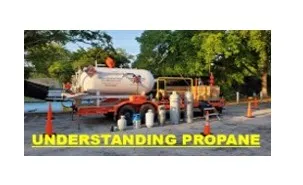
Understanding Propane
- OSHA-Authorized
- DOL-Aligned
$
$35.00$
What You’ll Learn?
Updated:
Understanding Propane
\
What You’ll Learn?
Course Details
The Understanding Propane course builds foundational LP-Gas safety knowledge for workers who handle, transport, store, or work around propane. This self-paced online program explains propane physical and chemical properties and how LP-Gas behaves under different conditions. Learners study safe handling practices and storage requirements, hazard recognition, and the odorization that makes propane leaks easier to detect. The course reviews propane leak detection indicators and the emergency response basics needed when a leak or fire occurs. It also introduces the regulatory principles that govern safe propane operations, including NFPA 58, the Liquefied Petroleum Gas Code. Every module reinforces safe decision-making so learners can recognize and reduce propane-related risks on the job.
Delivered entirely online as asynchronous, LMS-based learning, this course lets participants complete each propane safety module at their own pace within the course access period. It spans 2 contact hours and awards 0.20 IACET CEU with a certificate of completion once the passing requirements are met. The training suits new propane industry employees, delivery drivers and technicians, LP-gas customer service representatives, emergency responders, and allied workers who need propane safety awareness. Enroll today to strengthen your LP-Gas safety knowledge and earn your propane certificate of completion and CEU.
Course Syllabus
Course Description
Propane (LP-Gas) is used everywhere from farms to forklifts to home heating — and its properties make safe handling essential. This self-paced online Understanding Propane course gives workers foundational knowledge of LP-Gas: how it behaves, how to handle and store it safely, how to recognize hazards, and what to do in an emergency. Delivered under IACET-aligned standards, it may qualify for Continuing Education Units (CEUs) where approved.
Course Overview
This course provides foundational knowledge of propane (LP-Gas), including its physical properties, safe handling practices, storage requirements, and emergency response basics. Learners will explore propane behavior in different conditions, hazard recognition, and the importance of regulatory compliance in maintaining safe operations.
Propane training programs delivered under IACET standards are designed to ensure consistent instructional quality and may qualify for Continuing Education Units (CEUs) when approved by an accredited provider.
Delivery Method
Online / LMS-Based Asynchronous Learning
Participants may complete the course at their own pace within the allotted course access period.
Course Duration
2 Contact Hours
IACET CEUs Awarded
0.2 CEU
Learning Outcomes
Upon successful completion of this course, participants will be able to:
- Describe the basic physical and chemical properties of propane
- Identify common propane hazards and risk factors
- Explain safe handling, storage, and transportation practices
- Recognize propane leak indicators and emergency conditions
- Understand basic regulatory requirements governing propane use (e.g., NFPA 54 and NFPA 58 principles)
- Apply basic safety decision-making in propane-related situations
Technical Requirements
Participants must have:
- Reliable internet access
- Current web browser (Chrome, Edge, Firefox, or Safari)
- Audio capability for course videos and PowerPoint
- Ability to view PDF documents
- Access to the TTI Learning Management System (LMS)
Recommendation:
- Desktop or laptop computer for optimal learning experience
Criteria for Earning IACET
To receive 0.2 IACET CEU, participants must:
- Complete all required course modules
- Complete all learning activities
- Successfully complete required assessments
- Achieving a minimum passing score of 80% on course assessments
- Complete the course evaluation
Learner Support
Technical assistance is available for LMS access and navigation issues.
For support, contact:
Phone: (817) 769-6275
Email: [email protected]
Accessibility Statement
TTI is committed to providing an accessible learning environment. Course materials include accessibility features such as:
- Accessible digital content
- Adjustable screen viewing options where available
Learners requiring accommodation should contact TTI prior to beginning the course.
Important Completion Information
Participants are encouraged to complete the course within the assigned enrollment period. Progress is automatically tracked within the LMS.
Failure to complete all required activities and assessments will result in no CEU award being issued.
Acknowledgment
By beginning this course, participants acknowledge that they have reviewed and understand the course requirements, learning outcomes, participation expectations, and CEU award criteria.
Key Topics Covered
- Describe propane physical properties and how it behaves under different conditions
- Recognize propane hazards and the conditions that create them
- Apply safe handling and storage practices for LP-Gas
- Take the correct emergency-response actions for a propane leak or fire
- Understand why regulatory compliance matters in propane operations
Frequently Asked Questions
Who should take this propane course?
Workers who handle, transport, store, or work around propane or LP-Gas, including agricultural, delivery, and general-industry personnel.
Does this course offer CEUs?
It is delivered under IACET-aligned instructional standards and may qualify for Continuing Education Units where approved.
How long is it, and is it online?
About 2 hours, fully online and self-paced.
What do I receive?
A printable certificate of completion, issued immediately after you pass.
Is this a propane cylinder-filling certification?
No — it is foundational propane safety awareness. Specific tasks such as cylinder filling may carry additional requirements under NFPA 58 and state rules.
What Will I Learn?
This Understanding Propane course equips dispensers, transport operators, tank installers, and facility managers with the code-compliant knowledge required by NFPA 58 Liquefied Petroleum Gas Code and 49 CFR for handling, storing, and dispensing LP-gas. Participants learn propane chemistry, vapor pressure, expansion ratios, odorization with ethyl mercaptan, and the physical hazards of liquid-to-vapor expansion on skin and in confined spaces. The course details container types and markings including DOT cylinders, ASME tanks, cargo tanks, and forklift cylinders, along with required stampings, requalification intervals, and valve types including OPD, POL, ACME, service, vapor, liquid withdrawal, and fixed maximum liquid level gauges. Learners review bulk plant layout, separation distances, dike requirements, transfer operations, bleeder valve use, static electricity controls, and bonding and grounding during transfer. The program covers leak detection by smell test, bubble test, and electronic detectors, along with emergency shutdown procedures, fire response, BLEVE awareness, and coordination with first responders under NFPA 58 Chapter 14. Participants practice filling procedures for motor fuel dispensing, cylinder filling by weight and volume, stopping at 80 percent liquid volume for thermal expansion, and the driver and attendant qualification requirements under 49 CFR 172 Subpart H and CETP. The course also addresses customer education, regulator inspection, appliance connection, and required documentation, including bulk plant records, cylinder inspection logs, and transfer tickets.
Target Audience
This course is intended for:
- New propane industry employees
- Delivery drivers and technicians
- Customer service representatives in LP-gas operations
- Emergency responders and safety personnel
- Allied industry workers requiring propane safety awareness
Total Course Duration
2 hours
Materials Included
Participants will have access to:
- Understanding Propane Modules
- Final Assessment
- Course Evaluation
Requirements / Instructions
There are no formal prerequisites for this course.
Participants should:
- Having basic literacy and comprehension skills
- Be able to follow safety instructions in English (or provided training language)
- Have access to required PPE if attending hands-on training (if applicable)
Curriculum
2 modules · 2 hours
Understanding Propane
Propane training provides essential safety, handling, and technical knowledge for managing propane, focusing on reducing risks and ensuring compliance with regulations like NFPA 54 and 58. Key topics include understanding propane properties (vapor expansion, odorization), safe cylinder handling/exchange, leak detection, and emergency response. Training is often provided through organizations like the Propane Education & Research Council (PERC).
- Understanding PropaneLesson
- Understanding PropaneQuiz
Course Evaluation
\
- Course Review & CompletionLesson
Certificate of Completion
Meet Your Instructor
Lead HSE Instructor

The Training Institute is a team of seasoned field experts with decades of hands-on experience across electrical safety, OSHA compliance, confined-space training, and hazardous-materials response. Our instructors combine practical jobsite expertise with proven adult-learning methodology to deliver training that meets — and exceeds — federal and industry standards.
Student Review
(
0 Review)
Similar Courses
by
The Training Institute
by
The Training Institute
Ready to get certified?
Enroll in Understanding Propane
Volume pricing for 5+ seats. Dedicated compliance support and audit-ready records.
Sign Up for Newsletter
Quick Links
Visit Us
1509 S. Dobson Street
Burleson, TX 76028
© 2026 The Training Institute. All rights reserved.
Course Materials
Preview the materials included with this course. Enrolled students can download all files.
- Understanding PropaneSign in & enroll